

Self-Employed Mortgage Loans: How to Qualify When You Work for Yourself
Self-employed borrowers can qualify for the same mortgage programs available to W-2 employees — the difference is how income is documented and calculated, not whether homeownership is possible.
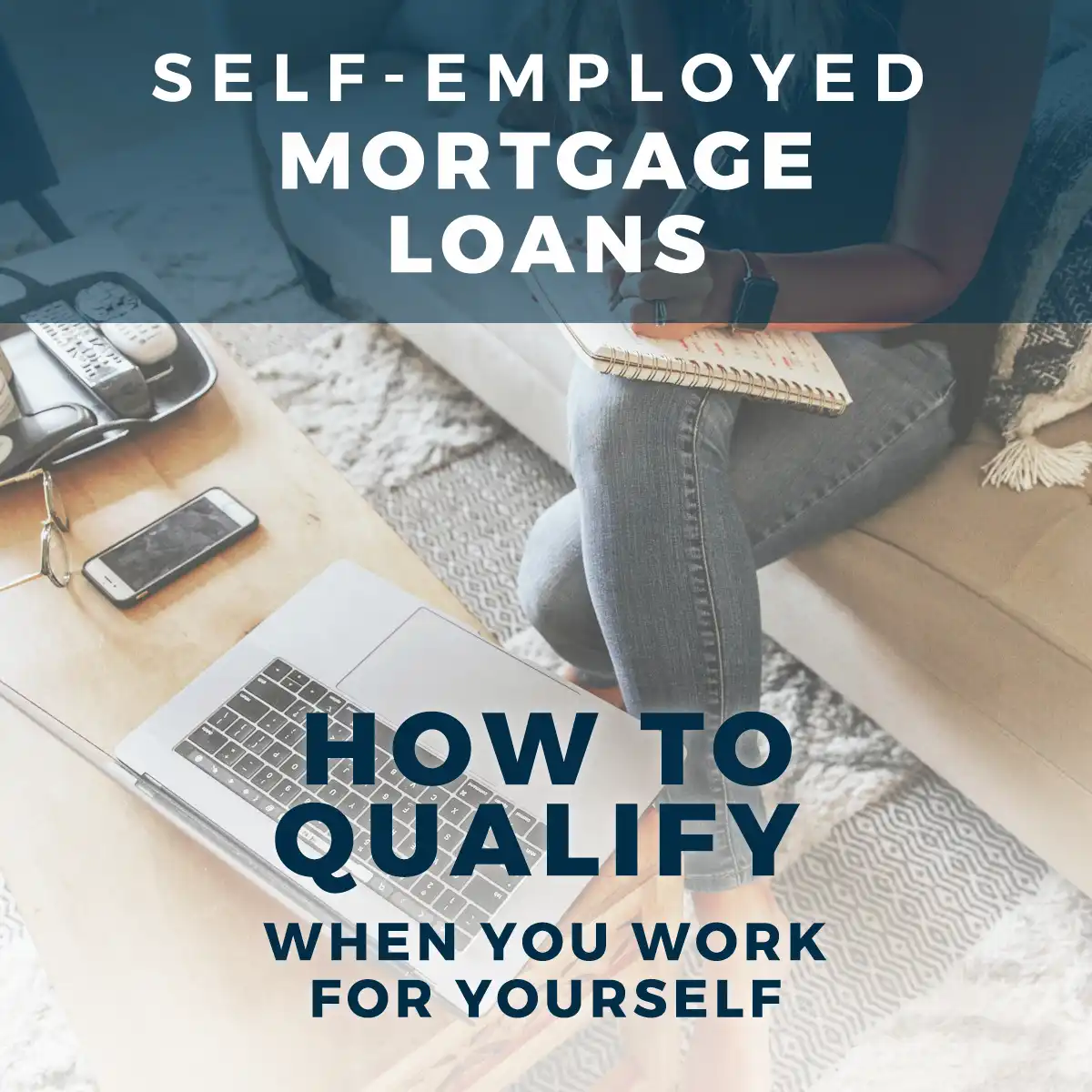
Being self-employed can give you more control over your income, your schedule, and your business. But when it comes time to buy a home, qualifying for a mortgage can look a little different.
For self-employed borrowers, mortgage lenders need to look beyond a standard paycheck to determine whether income is stable, consistent, and likely to continue. That can mean reviewing tax returns, business income, expenses, and other documentation.
From traditional mortgage programs to alternative documentation options, there are several ways to qualify depending on your financial situation. The key is knowing which path fits — and that starts with understanding how your income will be evaluated.
At US Lending Company, we help self-employed homebuyers throughout Redding, Shasta County, and Northern California find a mortgage strategy that fits the way they earn income.
Who Counts as Self-Employed for Mortgage Purposes?
Generally, a borrower is considered self-employed when they own 25% or more of a business.
That can include:
- Sole proprietors
- Independent contractors
- Partners in a business
- LLC members
- S corporation owners
- Corporation owners
Unlike a W-2 employee whose qualifying income may be relatively straightforward to document, a self-employed borrower may have income coming from several different places within the business — making a full picture of the financial situation especially important.
How Lenders Calculate Self-Employed Income
One of the biggest misconceptions among self-employed borrowers is that gross business revenue is the number a lender will use.
It isn’t.
For most traditional mortgage programs, lenders review tax returns and applicable business documentation to calculate qualifying income. Depending on the borrower and business structure, that analysis includes net income after expenses, certain allowable add-backs, ownership percentage, and whether the business appears capable of sustaining the income being used to qualify.
This is why two business owners generating similar revenue can end up with very different qualifying incomes — and why understanding your specific number before you start shopping matters.
Example Scenario: Dan is a general contractor in Shasta County earning $190,000 in gross revenue. After legitimate deductions, his taxable income is $68,000 — limiting his qualifying power under traditional guidelines. His business bank statements, however, showed consistent monthly deposits of $14,500. Through a bank statement program using a 50% expense ratio, his qualifying income calculated to approximately $87,000 — enough to comfortably support his target purchase. Starting early and reviewing both options meant he chose the right path before he ever made an offer.

How Tax Write-Offs Affect Your Mortgage Qualifying Income
Business deductions can be valuable at tax time — but they can also reduce the income a lender can use to qualify you.
A self-employed borrower may have strong cash flow while reporting considerably less taxable income after legitimate business expenses. When a traditional mortgage program relies on tax-return income, that gap becomes significant.
That doesn’t mean business owners should avoid legitimate deductions to qualify for a mortgage. It means planning ahead is valuable.
If buying a home is on your radar, speaking with a mortgage professional before making major financial or tax decisions can help you understand how those choices may affect your future borrowing power.
What Documents Do You Need for a Self-Employed Mortgage?
Documentation requirements depend on the loan program, business structure, length of self-employment, and overall financial profile.
Depending on the situation, a lender may request:
- Personal tax returns (typically two years)
- Business tax returns (typically two years)
- Year-to-date profit and loss statement
- Balance sheet
- Business bank statements
- Verification that the business is active
- Documentation related to business ownership
Not every borrower will need every item. Reviewing your situation early helps identify exactly what will be needed before you begin shopping.

Traditional & Alternative Loan Options for Self-Employed Borrowers
Conventional, FHA, VA, and USDA financing may all be available to self-employed borrowers who meet the applicable program requirements. Traditional financing is often the most cost-effective path — and the right place to start.
But it isn’t the only option.
Some borrowers benefit from alternative-documentation or non-QM mortgage programs designed for situations where tax returns don’t tell the full story.
Bank Statement Loans
Certain programs use qualifying deposits from 12 or 24 months of personal or business bank statements to establish income, rather than relying solely on tax-return calculations. This can be a strong option for borrowers with significant write-offs and healthy cash flow.
Profit and Loss Programs
Some programs allow qualifying income to be evaluated using a professionally prepared profit and loss statement, subject to program requirements.
These programs have their own qualification standards and may have different down payment, credit, reserve, rate, and documentation requirements than traditional mortgage financing. The important part is determining which approach makes sense for your specific financial picture.
Why Self-Employed Buyers Should Start Early
For a W-2 borrower, determining qualifying income can be relatively simple. For a business owner, there’s considerably more to analyze.
Starting early gives your loan officer time to review your income structure, tax returns, business ownership, available assets, and potential loan programs before you’re under contract.
It can also answer the most important question upfront: how much of your income can actually be used to qualify?
Knowing that number before you start seriously shopping helps you establish a realistic price range, choose the right loan strategy, and avoid surprises later in the process.
Self-Employed Home Buyers in Northern California
Northern California is home to thousands of small-business owners, independent contractors, entrepreneurs, and self-employed professionals.
Whether you’re buying in Redding, Red Bluff, Chico, Shasta County, Tehama County, Butte County, Siskiyou County, Trinity County, Lassen County, or elsewhere in California, the right mortgage strategy starts with understanding how your income will be evaluated.
At US Lending Company, our team works with borrowers across a wide range of income structures and mortgage programs. Our technology-driven lending process, extensive loan options, and experienced mortgage professionals help make more complicated income scenarios easier to navigate.
Key Takeaways:
- Self-employed borrowers can qualify for conventional, FHA, VA, USDA, and non-QM mortgage programs — employment type is not a disqualifier.
- Lenders calculate qualifying income from net taxable income on tax returns, not gross business revenue — write-offs directly affect the qualifying number.
- Alternative documentation programs like bank statement loans and P&L loans provide pathways when tax returns don’t reflect actual cash flow.
- Most traditional programs require a two-year self-employment history; non-QM options may offer more flexibility.
- Documentation requirements vary by loan program and business structure — an early review identifies exactly what will be needed.
- Planning ahead — before making major tax or financial decisions — is the most effective strategy for self-employed buyers.
- Starting the mortgage process early, before house hunting, is the single most important step a self-employed buyer can take.
TO SUM UP
Being self-employed shouldn’t mean guessing whether you’ll qualify for a mortgage. The earlier you understand how your income will be calculated, the more time you have to evaluate your options and prepare for your next purchase.
Message us or find a loan officer for a free consultation — no pressure, just clarity.
We’ll review your financial picture, walk through the mortgage programs that may be available, and help you determine the right next step.
See the FAQ below for more answers…
Related topics:
Frequently Asked Questions about Self-Employed Mortgage Loans
Q: Can self-employed borrowers qualify for a mortgage?
A: Yes. Self-employed borrowers can qualify for conventional, FHA, VA, USDA, and non-QM mortgage programs. The key difference from W-2 borrowers is how income is documented — lenders use tax returns, bank statements, or profit and loss statements rather than pay stubs. With the right loan program and preparation, self-employment is not a barrier to homeownership..
Q: Who is considered self-employed for mortgage purposes?
A: Lenders generally consider a borrower self-employed if they own 25% or more of a business. This includes sole proprietors, independent contractors, LLC members, partners in a business, S corporation owners, and corporation owners.
Q: How do lenders calculate self-employed income?
A: For most traditional loan programs, lenders use the net taxable income from two years of personal and business tax returns — not gross revenue. They typically average the two years and may add back certain deductions like depreciation. Business structure, ownership percentage, and income trends all factor in.
Q: Do business write-offs hurt mortgage qualification?
A: They can. Write-offs that reduce taxable income also reduce the income a lender can use to qualify you. The answer isn’t to avoid legitimate deductions — it’s to plan ahead and understand how your tax strategy affects your borrowing power before you apply.
Q: What documents do self-employed borrowers typically need?
A: Commonly: two years of personal and business tax returns, a year-to-date profit and loss statement, a balance sheet, business bank statements, and verification of business activity and ownership. Requirements vary by program — an early review clarifies exactly what’s needed.
Q: Do I need two years of self-employment history?
A: Most traditional programs require it. Some exceptions exist for borrowers with prior experience in the same field. Non-QM programs may also have different requirements. A loan advisor can review your situation to determine what’s available.
Q: What is a bank statement loan?
A: A non-QM program that uses 12 or 24 months of bank deposits to calculate qualifying income instead of tax returns. A strong option for borrowers with significant write-offs and healthy cash flow that doesn’t fully appear on their returns.
Q: What is a P&L loan?
A: A non-QM program that uses a professionally prepared profit and loss statement to determine qualifying income — useful for borrowers whose tax returns don’t reflect the current performance of the business.
Q: Are non-QM loans riskier than conventional loans?
A: Non-QM simply means the loan doesn’t conform to government-backed guidelines. It doesn’t mean risky. Non-QM loans serve borrowers with legitimate income that doesn’t fit a standard documentation model and come with their own qualification standards, including credit, down payment, and reserve requirements.
Q: How early should a self-employed borrower start the mortgage process?
A: Before you start seriously shopping. An early income analysis tells you how much of your income can be used to qualify, which programs are available, and whether any adjustments would improve your position — all before you’re under contract and on a deadline.
Q: What is the most common mistake self-employed borrowers make?
A: Waiting too long to start. Self-employed income analysis takes more time than W-2 qualification. Borrowers who start early can make informed decisions about budget and loan strategy. Those who wait until they’re in contract often have fewer options and more pressure.
Have more questions? No worries. Tap the green button below!
Looking for more resources? Explore our blog or meet our loan officers for personalized advice.
NOTE: Not a commitment to lend. All loans are subject to credit approval and program guidelines. Terms and availability may change without notice. Equal Housing Lender. US Lending Company, a division of American Pacific Mortgage Corporation, NMLS #129988, NMLS #1850.
The views, articles, postings, and other information listed on this website are personal and do not necessarily represent the opinions or positions of American Pacific Mortgage Corporation or US Lending Company.
* For loan examples and more information, visit our disclosure page at https://www.uslendingcompany.com/disclosures/
PLEASE NOTE: Refinancing may result in finance charges that may be higher over the life of the loan. Consult with your loan advisor for details.